Source Unisex Crochet Kit for Kids for Crafts, Gifts, and Education
Compare 30 unisex crochet kit for kids options from verified Chinese suppliers. Buyers can evaluate materials, age ranges, and customization features to find suitable sewing and crafting sets for children aged 3 to 12 years; compare the available evidence and request quotations based on your requirements.
Key considerations
Products List


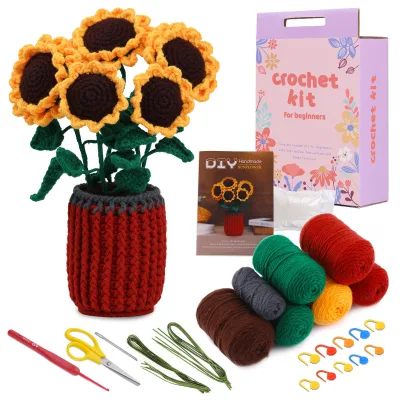


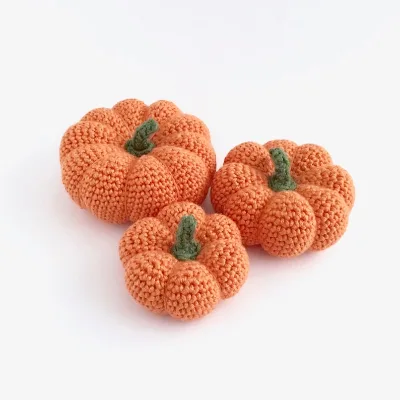
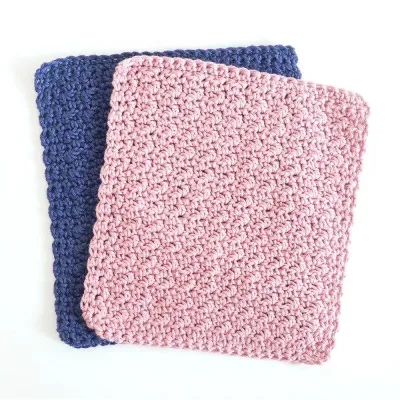
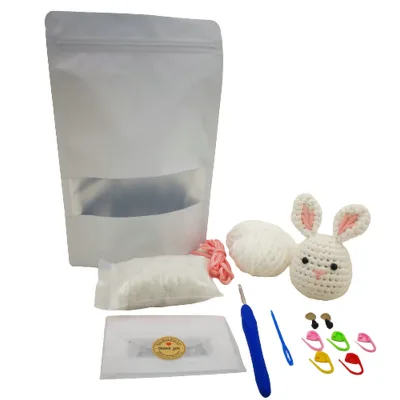
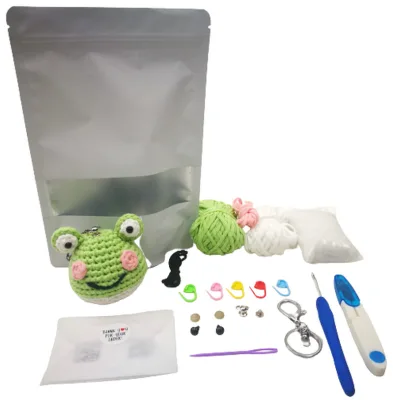

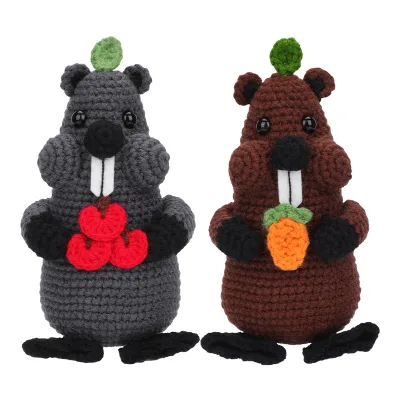
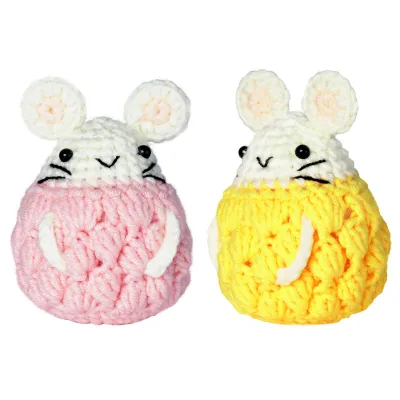
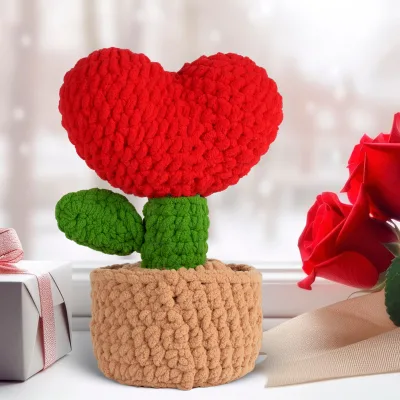
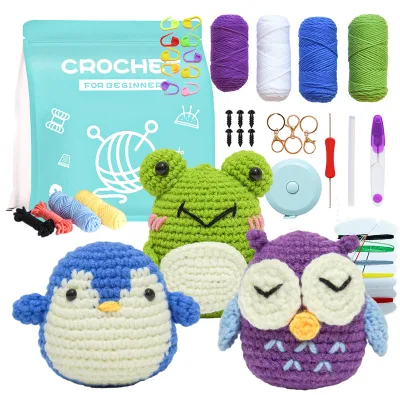
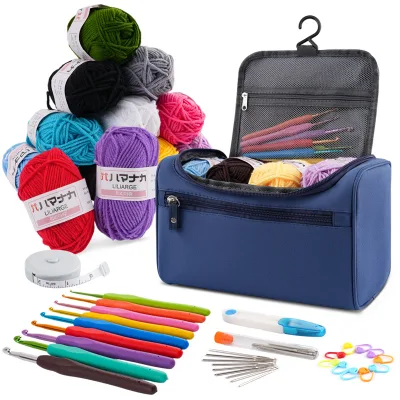

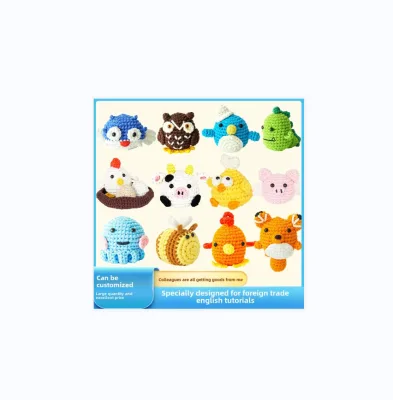
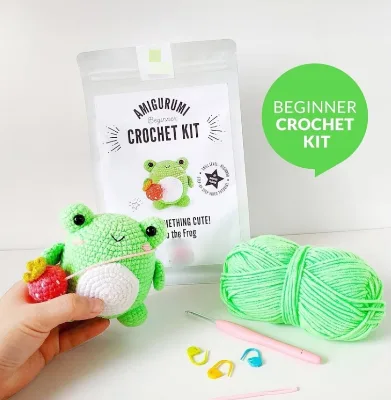
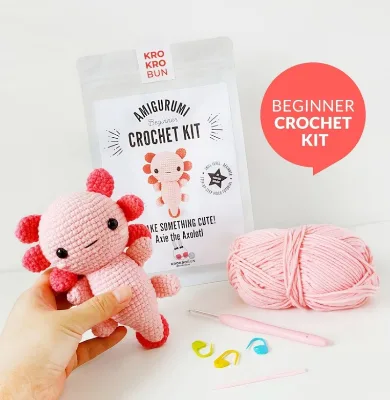
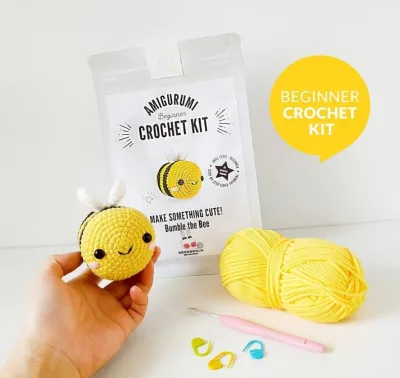
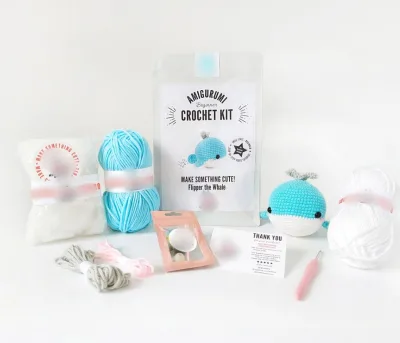
Comprehensive Sourcing Guide
Unisex Crochet Kit for Kids Sourcing Guide
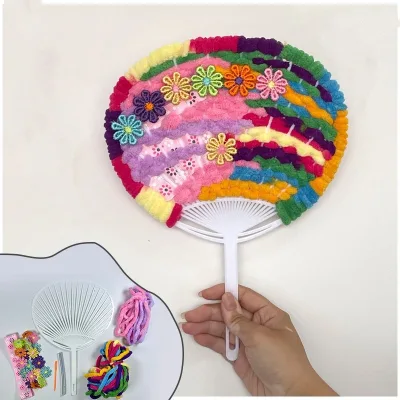
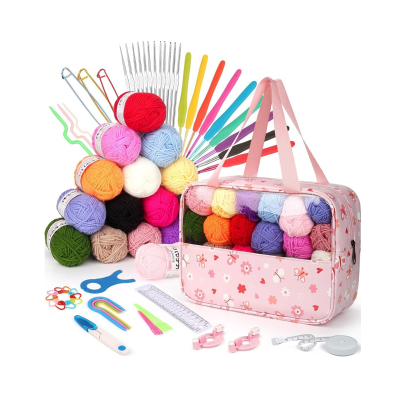
Sourcing unisex crochet kits for children requires balancing educational value with safety and ease of use. The market offers diverse options, from simple embroidery sets to comprehensive DIY craft supplies, often targeting age groups between three and twelve years. Buyers must navigate a landscape where product attributes vary significantly, including material compositions ranging from textile fabrics to polyester blends. Understanding these distinctions is crucial for selecting kits that align with specific developmental stages and skill levels.
Procurement decisions should also consider the intended application, whether for holiday decorations, general hand sewing practice, or standalone DIY pleasure. The observed product range includes items explicitly labeled for unisex use, ensuring broad appeal across different demographics. However, the diversity in model numbers, packaging sizes, and recommended ages means that buyers cannot assume uniformity across all listings. Careful verification of each product’s specific features is necessary to ensure the final selection meets both functional requirements and safety expectations for young users.
Product Scope and Observed Listing Signals
The current market presents a wide array of crochet and sewing kits, with observed price points ranging from $0.13 to $11.29 USD. This broad spectrum reflects variations in complexity, material quality, and included accessories. Minimum order quantities (MOQs) also vary significantly, starting from just one unit up to two thousand sets, catering to both small-scale retailers and large distributors. Buyers should note that while some listings offer single-item sales, others may require bulk purchases, impacting initial inventory costs and cash flow management.
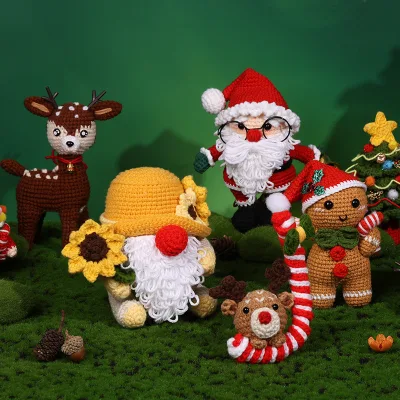
Product descriptions frequently highlight themes such as Christmas decorations or general sewing crafts, with styles described as simple or suitable for DIY pleasure. Materials are predominantly textile-based, often including needles, cloth, and thread, though some kits specify polyester components. Packaging is typically minimal, using OPP bags or small boxes, with single gross weights ranging from 0.250 kg to 0.500 kg. These physical attributes influence shipping costs and storage requirements, making it essential for buyers to calculate total landed costs accurately before placing orders.
Technical Specifications to Verify
Verifying technical specifications is critical to ensuring product consistency and user satisfaction. Buyers should confirm the exact model numbers, such as AJ-YH7255 or JX23052909, as these identifiers often correlate with specific component lists and assembly instructions. Single package dimensions vary, with some kits measuring 21x21x6 cm and others up to 25x20x10 cm. These differences affect palletization efficiency and retail display options, so precise measurements must be obtained from suppliers before finalizing logistics plans.
Age recommendations are another key specification, with listings suggesting ranges from 3-7 years to 12+ years. Buyers must ensure that the selected kits match the target demographic’s motor skills and attention spans. Additionally, the inclusion of specific tools like needles and threads should be verified, as some kits may require separate purchases. Confirming whether OEM/ODM services are acceptable allows for potential customization, but buyers must also assess the supplier’s capability to maintain quality across customized batches.
Compliance and Safety Documentation
Safety compliance is paramount when sourcing products for children, particularly those involving sharp tools like needles. Buyers must request documentation verifying that all components meet relevant international safety standards for toys and craft supplies. This includes ensuring that threads and fabrics are free from harmful chemicals and that needles are appropriately sized and secured to prevent injury. Without explicit certification data from suppliers, buyers should assume that additional testing may be required before market entry.
Furthermore, labeling requirements must be strictly adhered to, including accurate age warnings and assembly instructions. The observed listings mention various age ranges, but buyers must ensure that the final product packaging clearly communicates these limitations to parents and guardians. Verifying that the supplier provides clear, multilingual instructions is also essential, as unclear guidance can lead to user frustration or accidents. Proactive engagement with compliance experts can help navigate these regulatory landscapes effectively.
Cost Drivers and Commercial Terms
Several factors influence the total cost of procurement, including material selection, packaging complexity, and shipping methods. Kits made from premium textiles or including additional accessories will naturally command higher prices. Buyers should also consider the impact of shipping carriers like DHL, FedEx, or UPS, as expedited services can significantly increase logistics costs. Understanding the trade-off between unit price and shipping speed is crucial for maintaining healthy profit margins.
Commercial terms such as sample availability and lead times also play a significant role in cost management. While some suppliers offer samples, others may not support sample orders within a seven-day window, potentially delaying product validation. Buyers should negotiate clear terms regarding payment schedules, return policies, and defect handling. Establishing a robust commercial agreement helps mitigate financial risks and ensures that both parties have aligned expectations regarding delivery schedules and quality standards.
Supplier Qualification and Quality Control
Evaluating supplier qualifications is essential for long-term partnership success. Buyers should verify the supplier’s production capabilities, particularly their experience with textile and fabric-based craft kits. Factories located in regions like Hebei or Zhejiang, China, may offer different advantages in terms of supply chain efficiency and cost structure. Assessing the supplier’s history with OEM/ODM projects can provide insights into their flexibility and commitment to custom requirements.
Quality control processes must be rigorously defined and monitored. Buyers should implement pre-shipment inspections to verify that each kit contains all specified components and that packaging is intact. Establishing clear acceptance criteria for defects, such as missing threads or damaged needles, helps maintain product integrity. Regular communication with suppliers regarding quality feedback can drive continuous improvement and reduce the likelihood of receiving substandard batches.
Long-Term Procurement Checks
Sustaining a successful procurement strategy requires ongoing monitoring of market trends and supplier performance. Buyers should regularly review product listings to identify new features, materials, or designs that could enhance their offerings. Staying informed about changes in safety regulations and consumer preferences ensures that the product range remains relevant and compliant. This proactive approach helps mitigate risks associated with obsolescence or regulatory non-compliance.
Building strong relationships with reliable suppliers is also crucial for long-term stability. Buyers should prioritize suppliers who demonstrate consistent quality, transparent communication, and flexibility in handling orders. Regular performance reviews, including assessments of delivery times and defect rates, help identify potential issues early. By maintaining a diversified supplier base and continuously evaluating market conditions, buyers can ensure a resilient and competitive procurement operation.
FAQs
What materials are included in the unisex crochet kit for kids?
The kit contains textile and fabric materials including needles, cloth, and thread. Some versions use polyester for durability. These components support hand sewing and knitting activities suitable for children aged 3 to 12 years.
Can I order samples of the unisex crochet kit for kids?
Samples are available for most product models to verify quality before bulk purchase. However, specific 7-day sample order lead times may not be supported for all variants. Buyers should confirm sample availability and lead times with the supplier directly.
Which age groups can use the unisex crochet kit for kids?
The kits are designed for children ranging from 3 to 12 years old. Specific recommendations include ages 4-6, 7-12, and 12 and up. The products are categorized as unisex toys suitable for various developmental stages in crafting.
How is the unisex crochet kit for kids packaged for shipping?
Each set is typically packed in an OPP bag as a single item. The single package size varies, with common dimensions around 21x21x6 cm or 25x20x10 cm. The gross weight per package is approximately 0.25 to 0.5 kg depending on the specific model.
What customization options exist for the unisex crochet kit for kids?
Customization is available for branding and design elements on the kits. OEM and ODM services are acceptable for bulk orders. Buyers can request specific themes or styles, though minimum order quantities may apply for custom production runs.
Which brands manufacture the unisex crochet kit for kids?
Several brands are associated with these kits, including Aijia, D&D, and CX. These manufacturers produce various models like AJ-YH7255 or JX23052909. The products originate from regions such as Hebei and Zhejiang in China.
What is the minimum order quantity for the unisex crochet kit for kids?
The minimum order quantity ranges from 1 to 2000 units depending on the supplier and product type. Some specific models require a minimum of 2 sets. Buyers should check the specific listing for the exact MOQ applicable to their chosen variant.